In Italy the appetizer course is called antipasto, which means before the meal, and the rule is that it should sharpen the appetite rather than fill you up. That is why so much of it is vegetables, bread and something sharp.
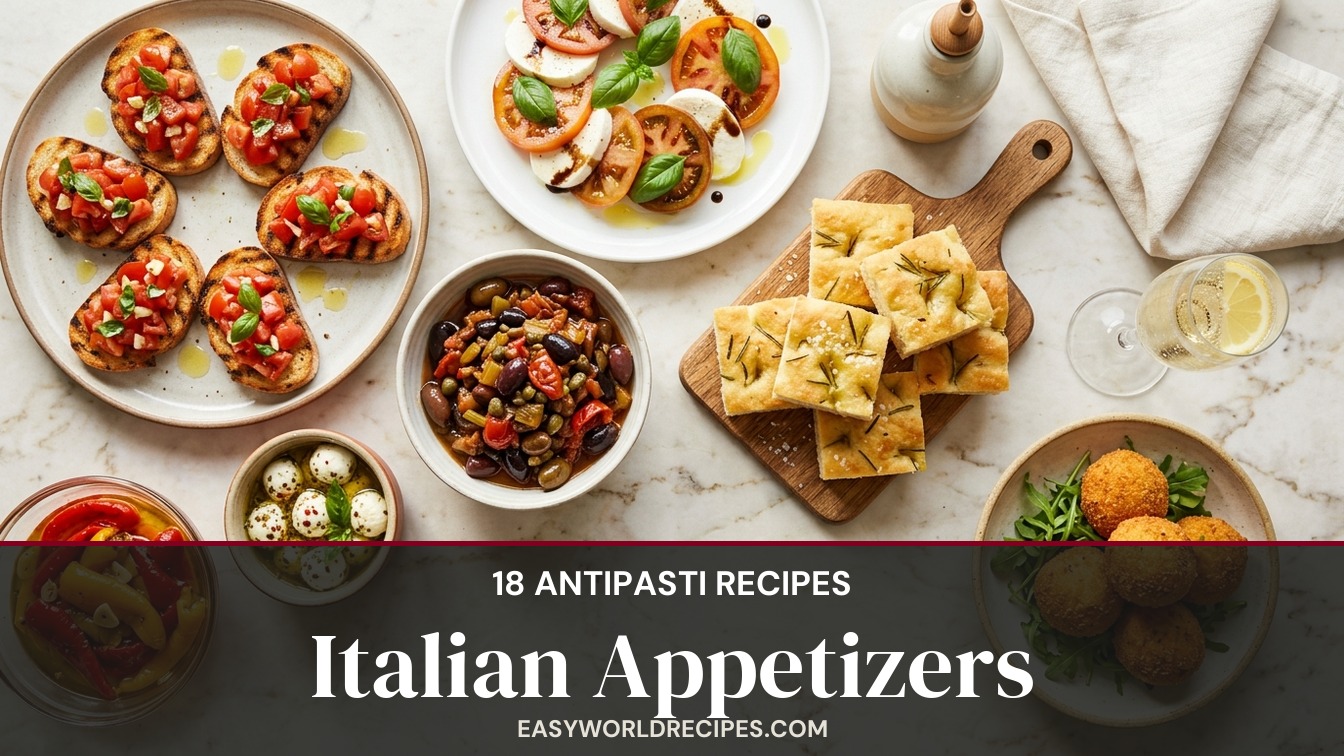
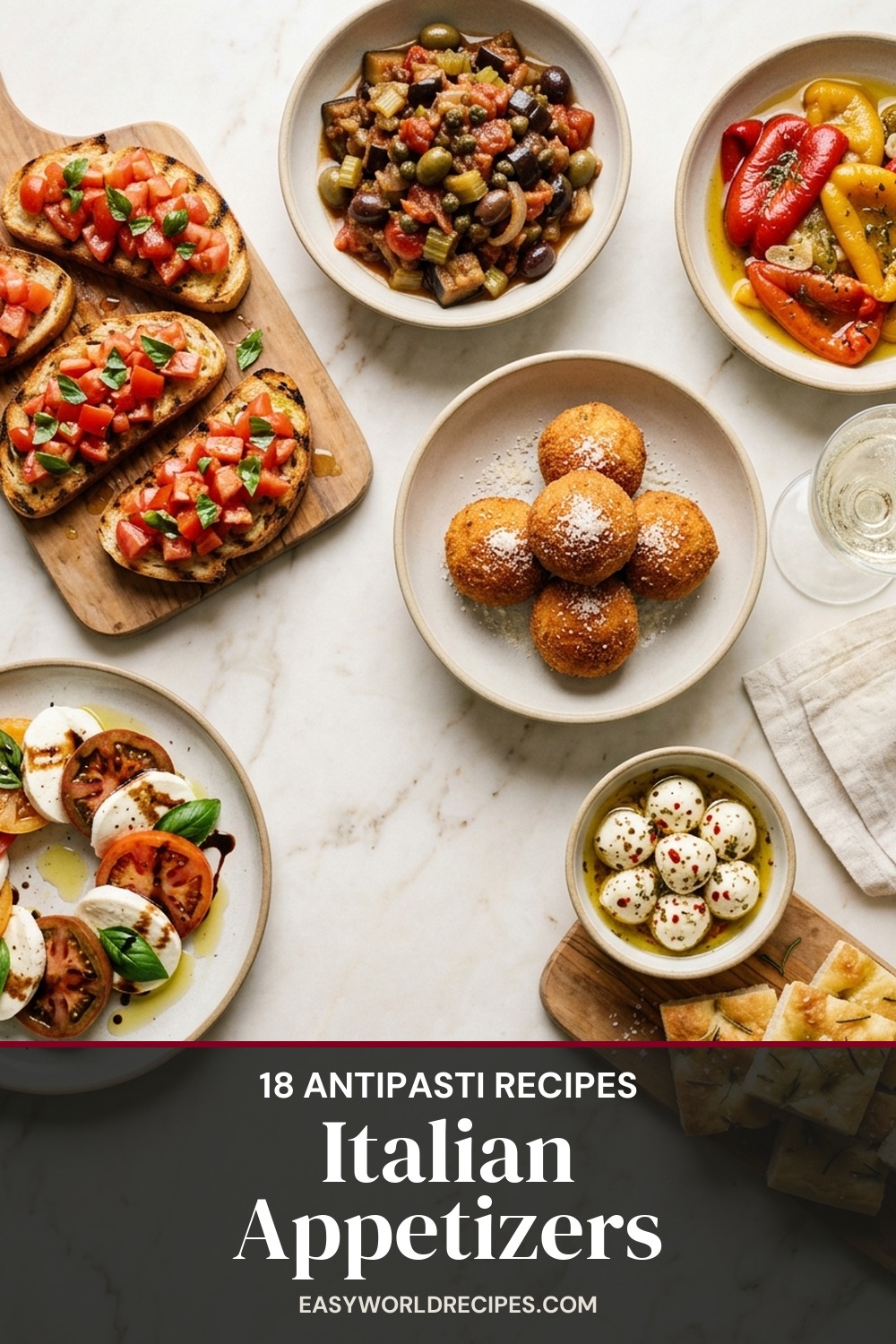
The classic Italian appetizers are bruschetta, caprese salad, arancini, caponata, peperonata, fritto misto, panzanella, focaccia and a plate of mozzarella. An antipasto board sets several of them out at once and lets people build their own plate.
These 18 are the ones we actually make, grouped so you can assemble a board rather than cook nine unrelated things. Pick one from each group and you have a spread. Most of them are better at room temperature, which means almost everything here can be made before anyone arrives.
Building an antipasto board? The classic four are bruschetta, caprese, caponata and arancini — crisp, fresh, sweet-sour and fried, in that order. Add bread and cured meat and you are done.
Bread and Tomato
Where every antipasto starts. All four are assembled rather than cooked, and all four want good bread.

1. Bruschetta
⭐⭐⭐⭐⭐ 5.0 from 1 review
Grilled bread rubbed with a raw garlic clove, topped with tomato, basil and oil. Salt the tomatoes first and drain them, or the bread turns to sponge.

2. Panzanella (Tuscan Bread Salad)
Stale bread soaked in tomato juice, oil and vinegar with cucumber and onion. Built to use up yesterday’s loaf, and better than most salads made from fresh ingredients.
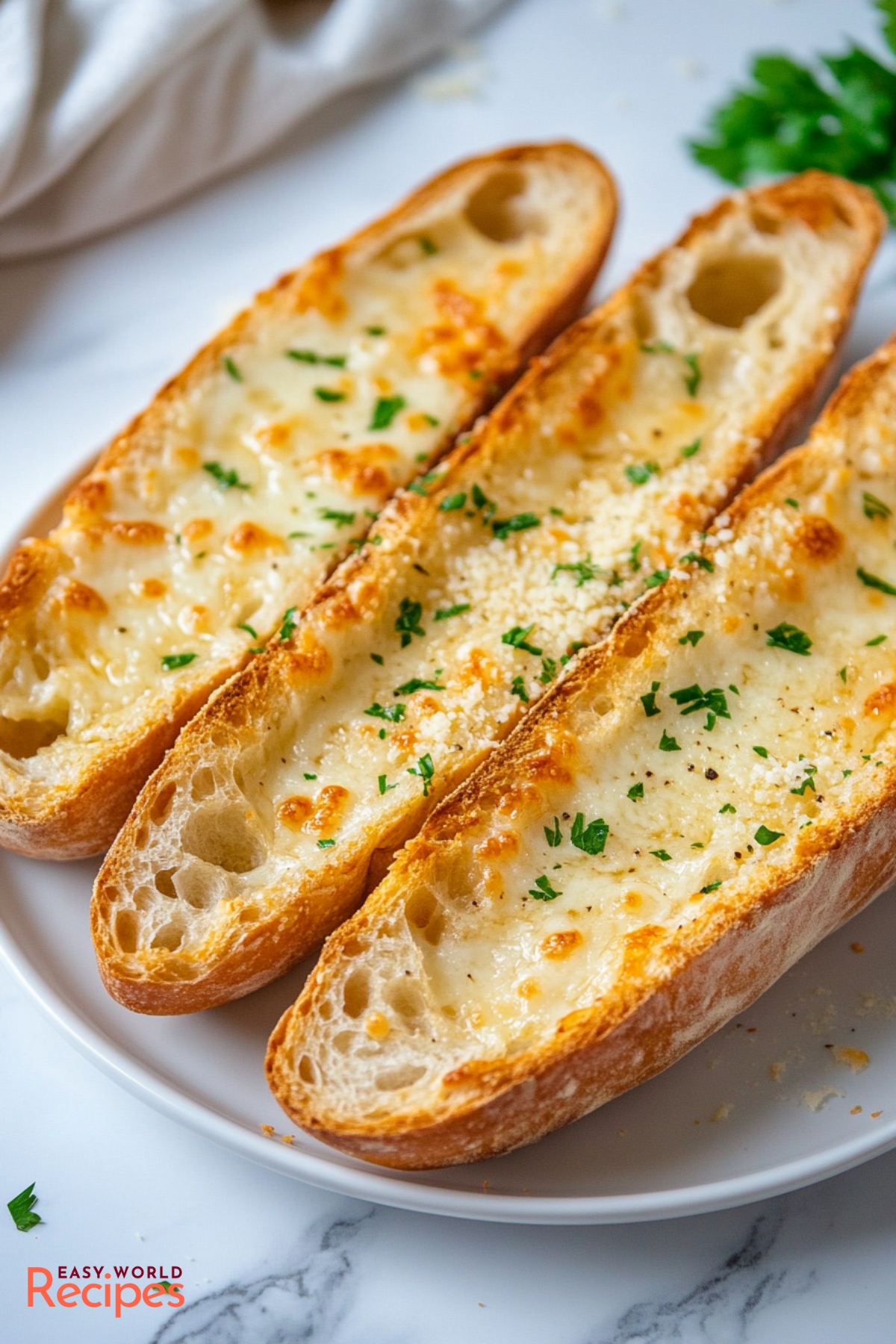
3. Garlic Bread
Italian-American rather than Italian, and nobody at the table will care. Make the garlic butter an hour ahead so the garlic mellows.

4. Soft Garlic Breadsticks
Pillowy grissini, brushed with garlic butter straight out of the oven. They disappear faster than anything else on this page.
The Cheese Plate
Mozzarella three ways and one savoury biscuit. This is the group that makes a board look generous.
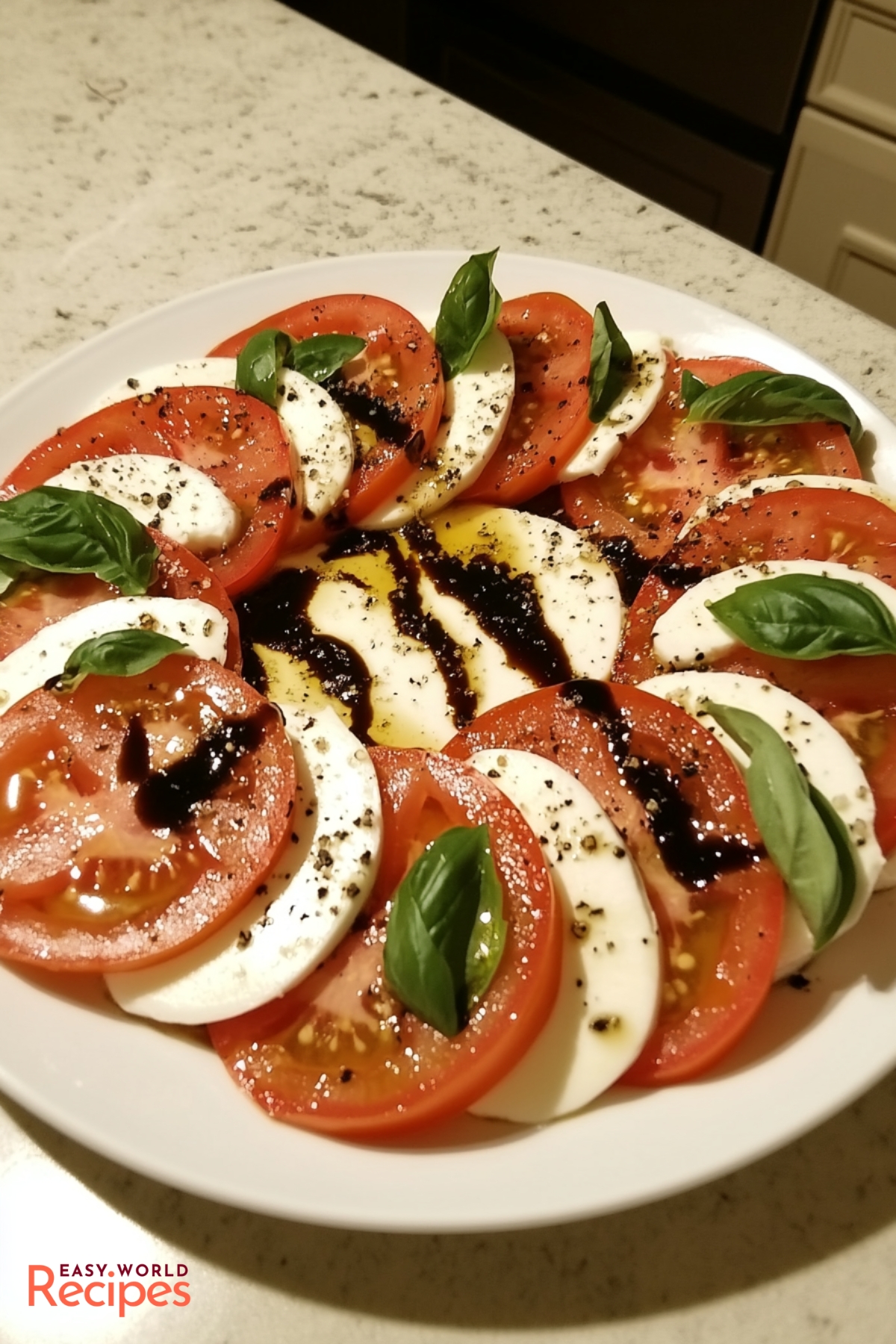
5. Caprese Salad
Tomato, mozzarella, basil, oil, salt. Five ingredients means each one has to be good, so this is the wrong dish for a January tomato.

6. Marinated Mozzarella Balls
Bocconcini marinated in oil with chilli, herbs and lemon zest. Ten minutes of work, and they improve for two days in the fridge.

7. Crispy Mozzarella Sticks
Double-breaded and frozen before frying, which is the only reliable way to stop the cheese escaping. Serve with warm marinara.

8. Savory Parmesan Cookies
A shortbread made with parmesan instead of sugar, served with prosecco before dinner. The surprise of any Italian spread.
Fried and Hot
Three things that come out of the pan and go straight to the table. Time them last.

9. Arancini
⭐⭐⭐⭐⭐ 5.0 from 1 review
Risotto rolled around mozzarella and ragù, breaded and deep-fried. Sicilian, named for little oranges, and the best possible use for leftover risotto.

10. Fritto Misto
A mixed fry of small seafood in the lightest possible flour coat. The whole dish depends on hot oil and short cooking; two minutes is usually enough.

11. Frittata di Patate
⭐⭐⭐⭐⭐ 5.0 from 1 review
A thick potato frittata, cooled and cut into small squares. Eaten cold at room temperature it stops being breakfast and becomes antipasto.
Vegetable Antipasti
The sweet-and-sour end of the board. Every one of these is better on day two, so make them in advance.
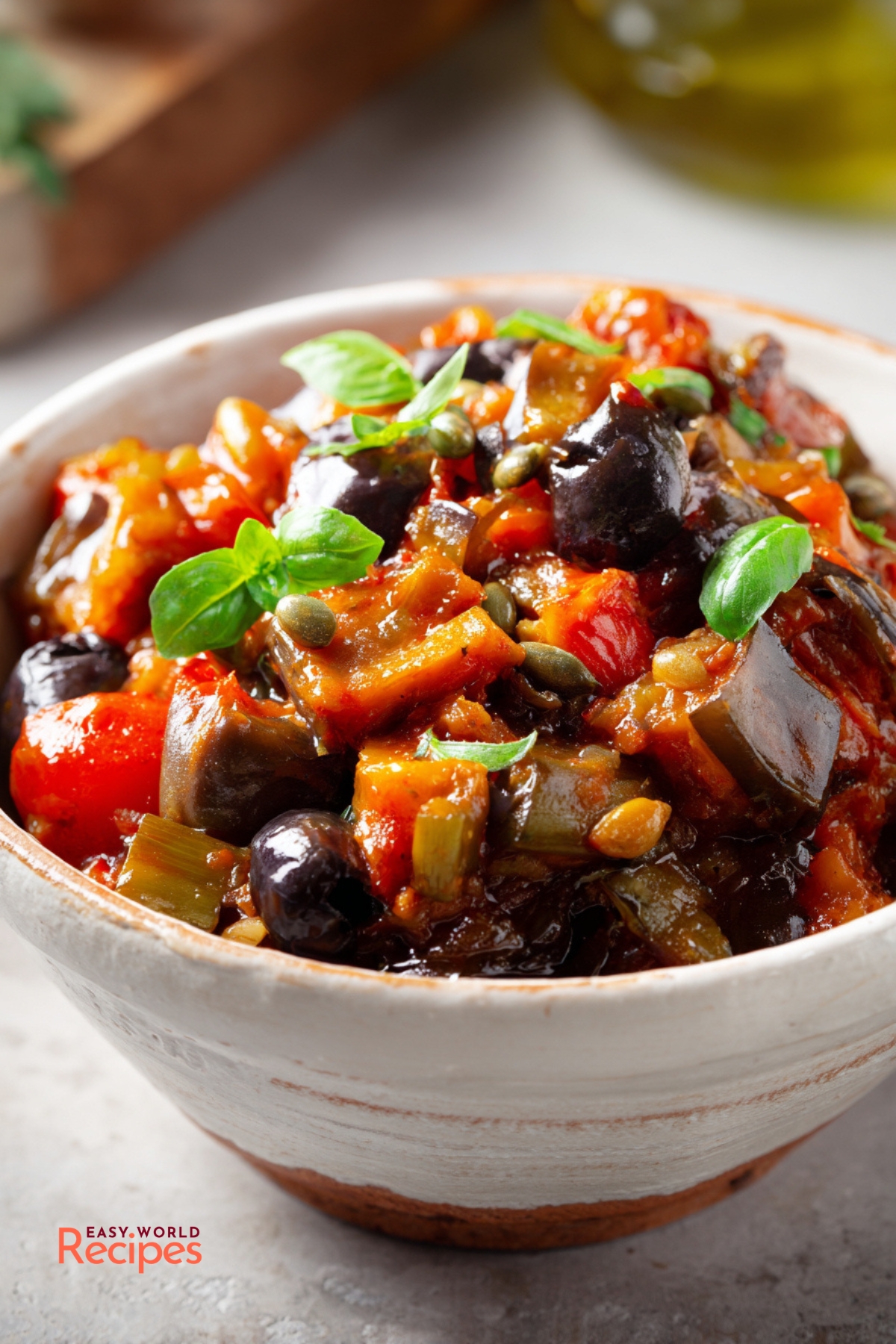
12. Sicilian Caponata
Fried aubergine with celery, olives and capers in a sweet-sour tomato base. Sicily’s greatest contribution to the appetizer course, and it wants a day in the fridge.

13. Peperonata
Peppers and onions stewed slowly in oil until they collapse. Serve at room temperature on bread, or alongside anything roasted.
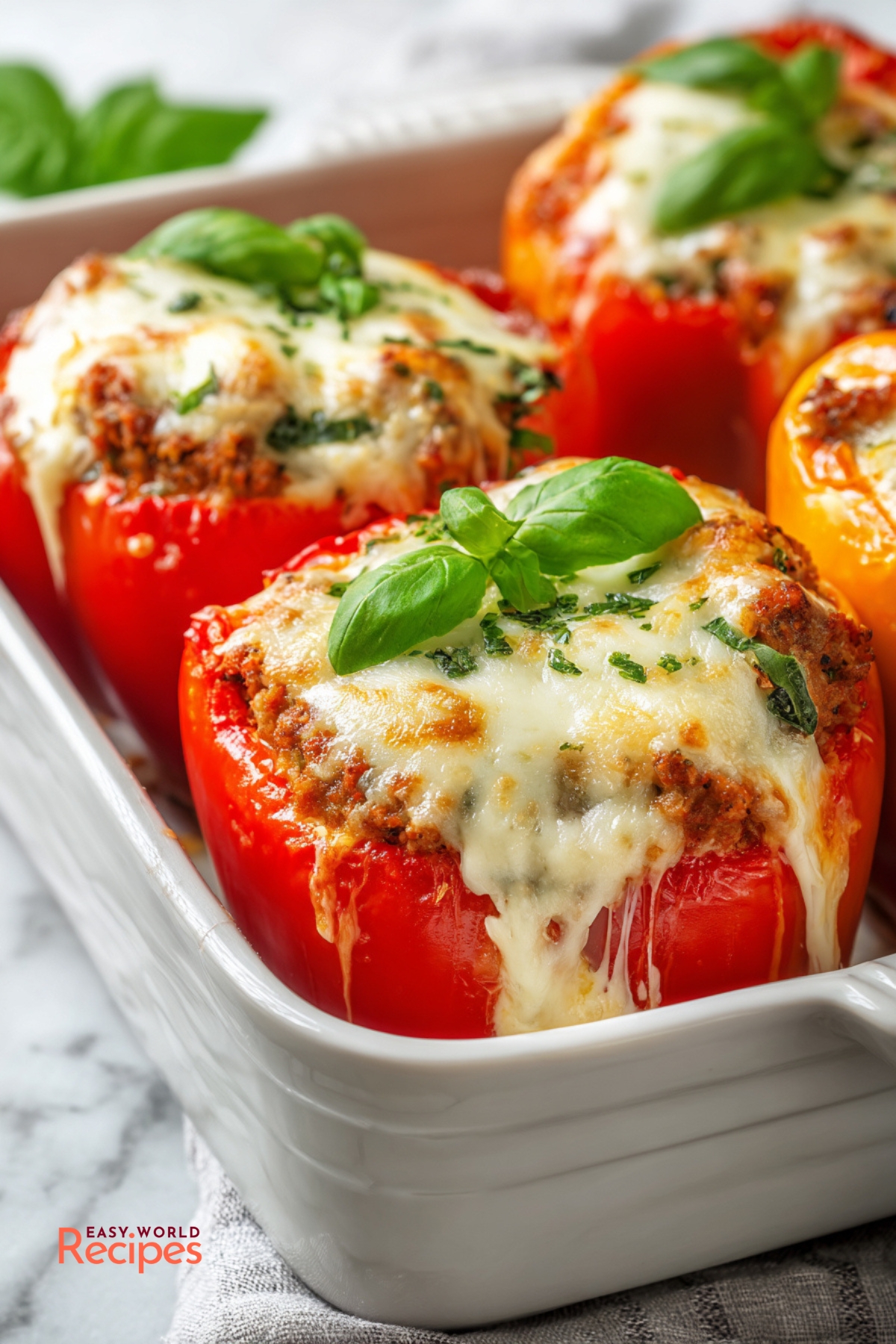
14. Peperoni Ripieni (Stuffed Peppers)
Small peppers filled with breadcrumbs, capers, anchovy and parsley, then baked. Cut in halves they are finger food rather than a main course.

15. Grilled Polenta
Set polenta cut into fingers and grilled until striped. A northern Italian base for anything soft: gorgonzola, mushrooms, or a spoon of the caponata above.
The Breads and the Fish
Two loaves worth baking and one dish that belongs on every Italian Christmas Eve table.
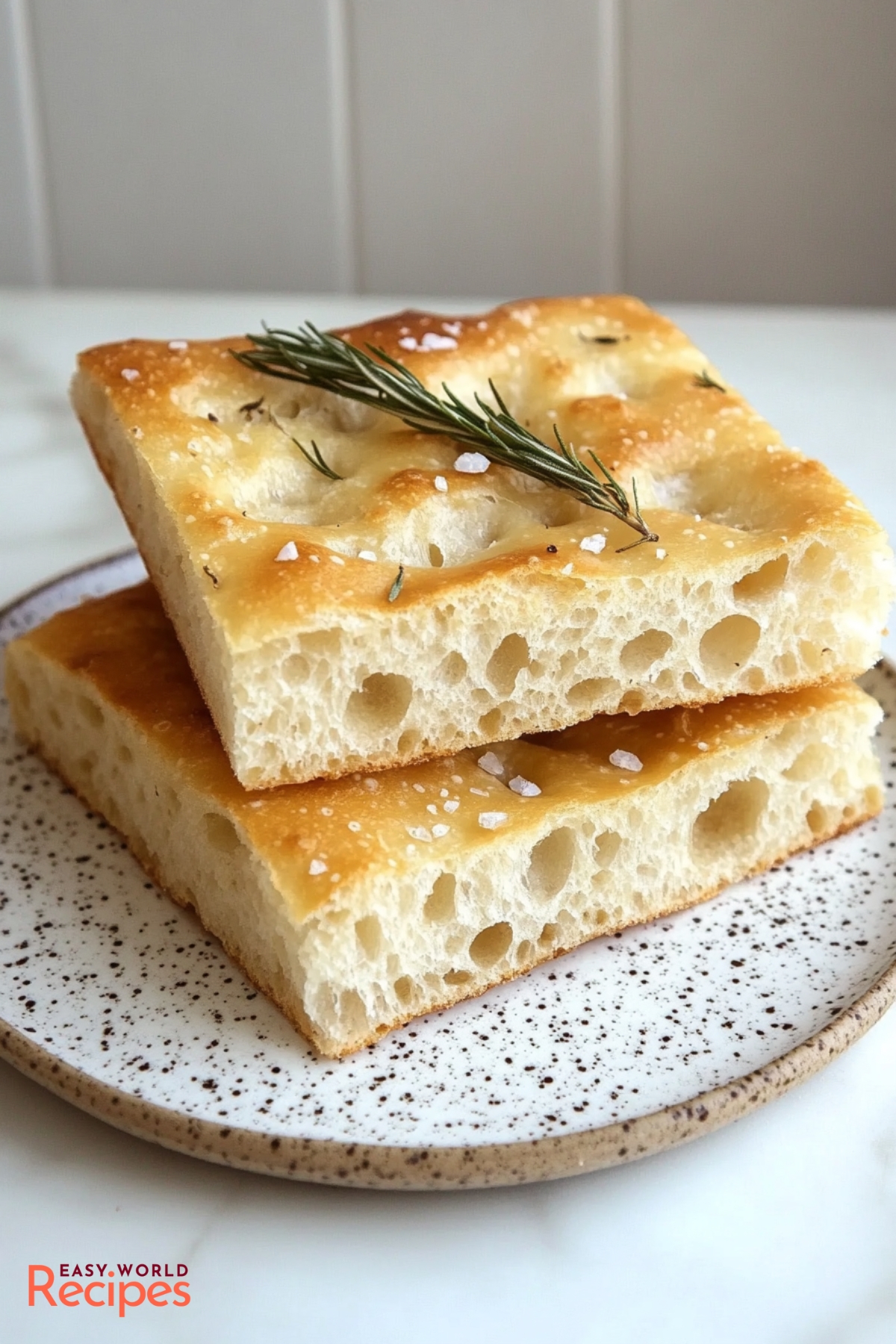
16. Focaccia with Rosemary
Dimpled, oily, and heavily salted. Cut into squares it holds up an entire antipasto spread on its own.

17. Ciabatta
⭐⭐⭐⭐⭐ 5.0 from 1 review
A very wet dough and a long rise give the open, irregular crumb. Invented in 1982, which makes it the youngest classic on this list.
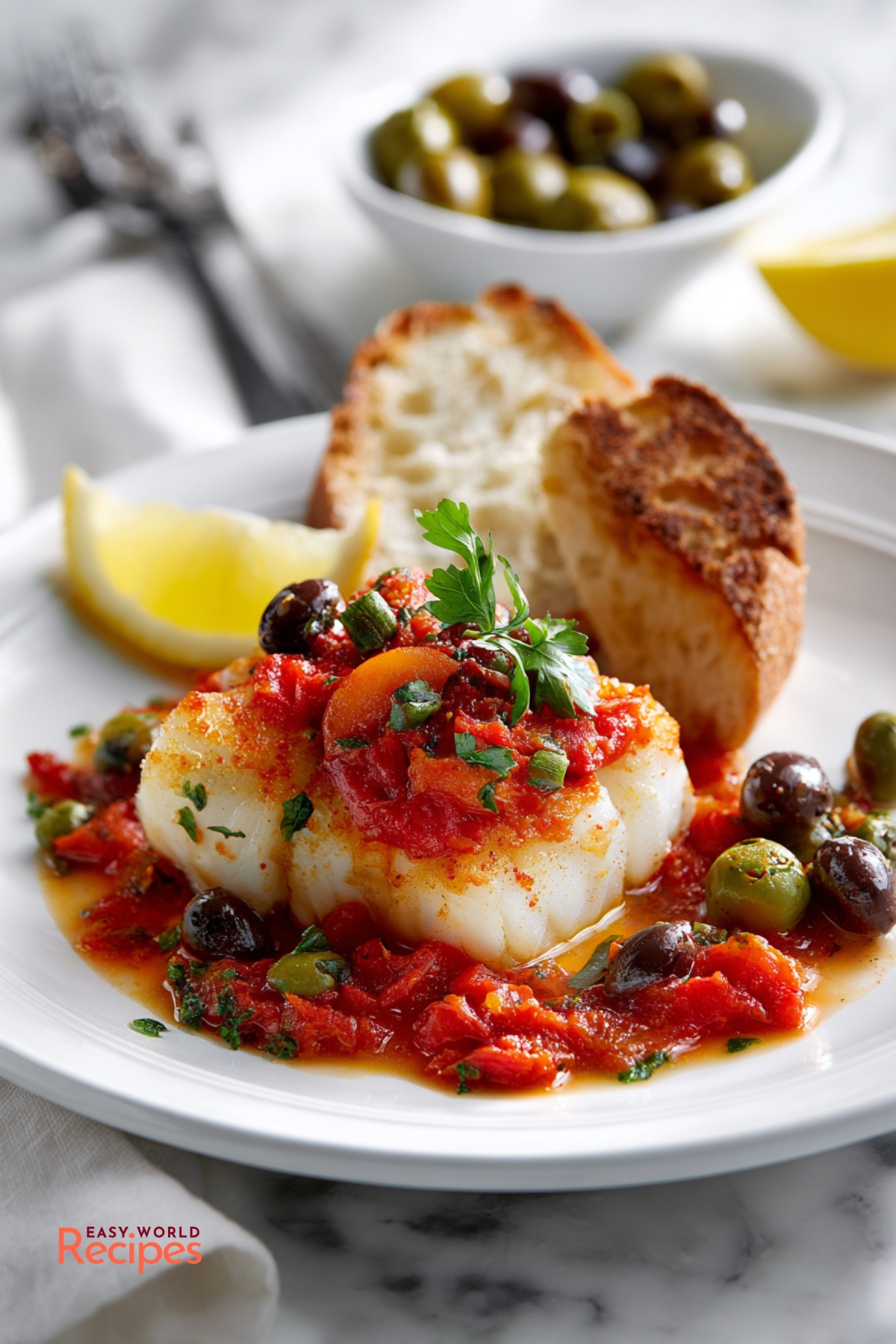
18. Baccalà (Salt Cod)
Salt cod soaked for two days, then dressed with oil, parsley and garlic. The centre of the Italian Feast of the Seven Fishes and a serious antipasto in its own right.
To Serve Alongside
The dough, the sauces and what comes after the antipasto:
- Authentic Italian Pizza Dough
- Margherita Pizza
- Italian Sausage and Peppers
- Italian Wedding Soup
- Minestrone Soup
- Italian Christmas Dinner: 40+ Recipes
- 17 Classic Italian Cookies
- 20 Best Italian Desserts
Italian Appetizers FAQ
What are the top Italian appetizers?
Bruschetta, caprese salad and arancini are the three best known outside Italy. On an Italian table the antipasto is more often a plate of cured meat and cheese with marinated vegetables beside it: caponata, peperonata, olives and good bread.
What is the difference between antipasto and appetizer?
Antipasto is the specific first course of an Italian meal, served before the pasta. Appetizer is the broader English word and includes party food eaten standing up. Everything on this list works as either, but a true antipasto is eaten seated, at the table, in small quantity.
What Italian appetizers can I make ahead?
Most of them. Caponata, peperonata, marinated mozzarella and stuffed peppers are all better after a day in the fridge. Panzanella, frittata and grilled polenta are served at room temperature. Only the arancini, mozzarella sticks and fritto misto need to be fried at the last minute.
What goes on an Italian antipasto board?
Work in fives: something cured (prosciutto, salami), something cheese (mozzarella, parmesan), something pickled or sweet-sour (caponata, peppers, olives), something fresh (caprese, tomatoes) and plenty of bread. Two or three warm items from this page turn a board into a meal.
How many appetizers do I need per person?
For a dinner where a main course follows, plan on three or four small pieces each. If the antipasto is the meal, count on eight to ten pieces per person and put out at least five different things.
What goes on your antipasto board? Tell us in the comments — and pin this list before your next party.